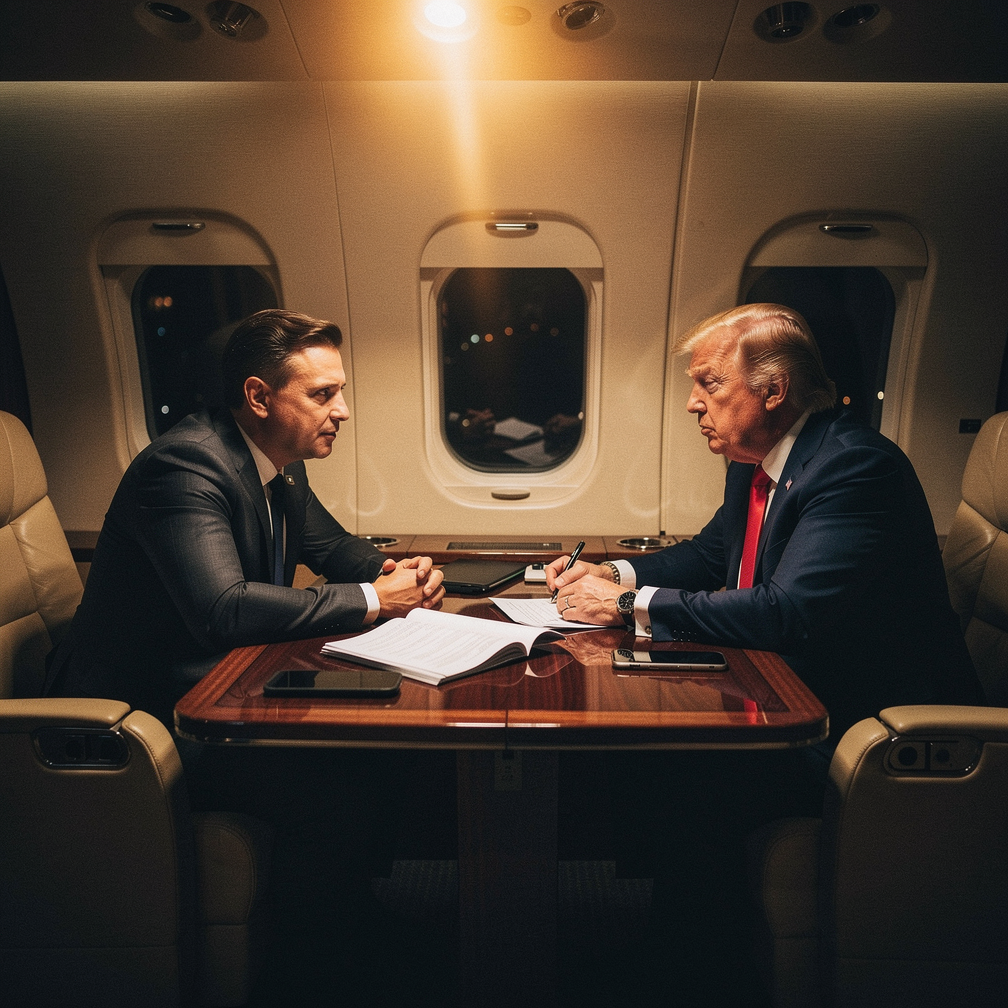
Microsoft is quietly building a multi-model future. The commits prove it.
Microsoft poured $13 billion into OpenAI and owns 51% of the company. And yet their engineering teams are shipping native Claude agent sessions in VS Code, identical plugin manifests for Copilot and Claude Code, and cross-model verification systems that treat all three platforms as interchangeable. Meanwhile, closing arguments began in Musk v. Altman with Musk absent — he flew to China with Trump on Air Force One. His attorney told the jury that five witnesses under oath called Altman a liar. Jury deliberation starts Monday.
Microsoft owns 51% of OpenAI. They poured $13 billion into the partnership and restructured the deal in April to cap revenue share through 2030. And yet. Forget the press releases. Look at what Microsoft's engineering teams are actually shipping. The repos tell a different story. One where Copilot, Claude Code, and OpenAI Codex are treated as interchangeable. This isn't betrayal. It's hedging. And the evidence is public. ## The VS Code integration VS Code 1.109 didn't add Claude as some afterthought. A senior engineer on the VS Code team has been running a phased Claude agent integration, Phases 6 through 13, as primary work. Not a hackathon project. A roadmap. Microsoft added native support for CLAUDE.md files, Claude-specific slash commands (/agents, /hooks, /memory, /init), and wired in Anthropic's Agent SDK directly. Claude agent sessions now run natively inside VS Code. That's not compatibility. That's architectural commitment to a competitor. ## The plugin repos In the microsoft/ GitHub org, there's a repo where Claude Code gets first billing over Copilot in the description itself: github.com/microsoft/power-platform-skills. Then there's microsoft/win-dev-skills, built by a Principal Software Engineer at Microsoft. It ships identical plugin manifests for three platforms: Copilot, Claude Code, and OpenAI Codex. Same eight skills. Same agent. Three parallel configs. The commits tell the rest. 64 co-authored by Copilot, 4 co-authored by Claude (Sonnet 4.6 and Opus 4.7). That principal engineer personally tested the plugin with Claude Code Opus 4.7, then filed detailed issues to improve the Claude experience. The PR review skill has a cross-model verification system. Claude orchestrators pass work to GPT-5.4. GPT orchestrators pass to Claude Opus 4.7. Interchangeable. ## Why this matters right now This week, trial testimony in Musk v. Altman revealed that Microsoft internally feared "becoming too dependent on a single vendor." Even as they wrote billion-dollar checks. Executives worried about "betting the farm on a partner we don't control." The repos are the proof that those fears turned into action. Microsoft isn't abandoning OpenAI. They're building the infrastructure to not need them exclusively. Every .claude-plugin manifest, every parallel config, every cross-model verification system is a hedge. ## The pattern Microsoft has been here before. They invested in their own mobile platform while developers built for iOS. Pushed Internet Explorer while developers moved to Chrome. The difference this time: they're hedging early. Instead of fighting developer preference, they're building systems that are model-agnostic from day one. Copilot first, Claude second, Codex third. Architecturally equal. ## What to watch Whether Claude Code support lands in GitHub Copilot itself, not just VS Code. That's the line between pragmatic compatibility and strategic pivot. Whether OpenAI responds with developer tooling that competes with Claude Code directly. Codex exists but doesn't have the same gravity. Whether the jury in Musk v. Altman factors in the Microsoft dependency testimony. If they do, the "too dependent" narrative becomes a liability for OpenAI's defense.
If a bridge was built on Sam Altman's reputation for telling the truth, I don't think you'd cross that bridge.
Steven Molo, Musk's attorney — closing arguments, May 14
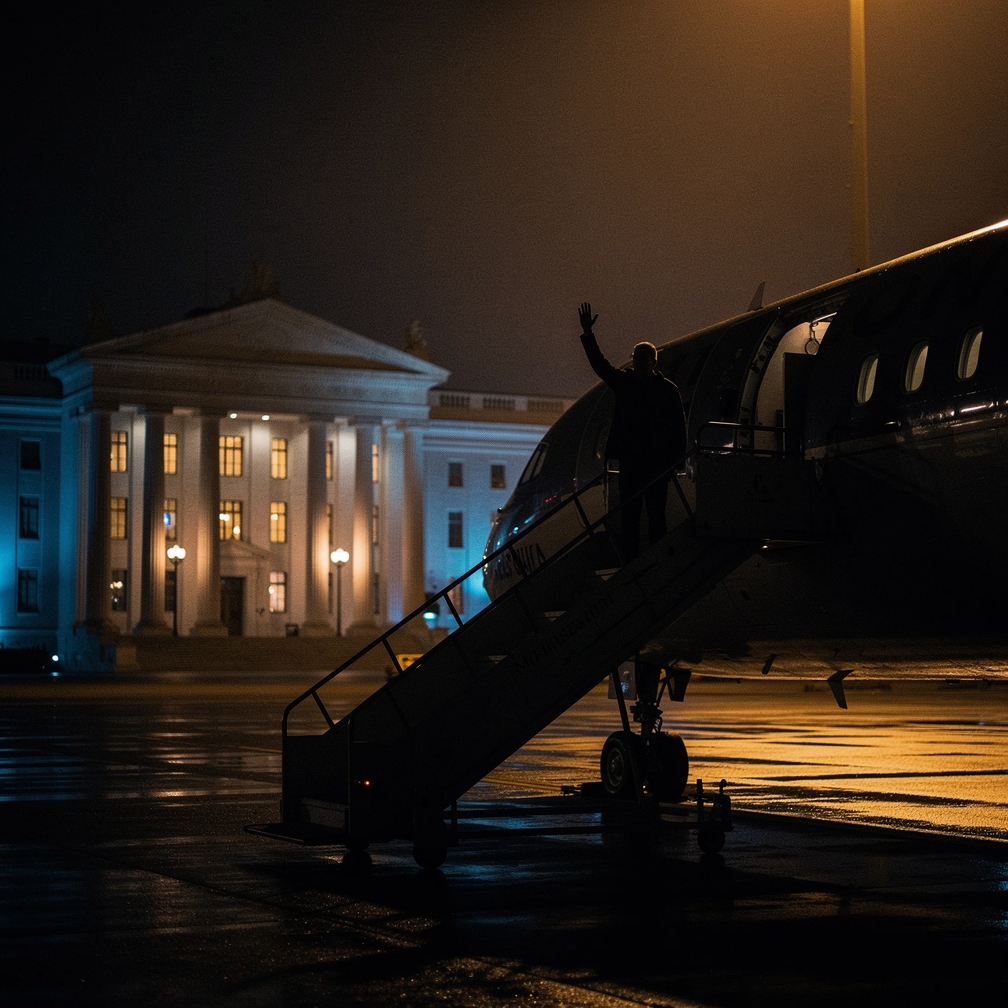
Closing arguments. Musk skips court for China trip with Trump.
Closing arguments began May 14. Musk absent — flew to China with Trump on Air Force One despite being subject to recall. His lawyer apologized to the jury, then said five witnesses under oath called Altman a liar. OpenAI's lawyer called it unexpected for a recall witness to leave the country. Jury deliberation starts Monday. Musk seeking $130B+ in disgorgement plus removal of Altman and Brockman from the board.
Full docket →If a bridge was built on Sam Altman's reputation for telling the truth, I don't think you'd cross that bridge.
Steven Molo, Musk's lead attorney, closing arguments
VS Code 1.109 ships native support for CLAUDE.md files, Claude-specific slash commands, and Anthropic's Agent SDK integration. Claude agent sessions now run natively inside VS Code — not a hackathon project, but a phased roadmap from a senior engineer.
The microsoft/power-platform-skills repo gives Claude Code first billing over Copilot in the description itself. Ships identical plugin manifests for three platforms: Copilot, Claude Code, and OpenAI Codex.
A Principal Software Engineer at Microsoft built win-dev-skills with identical configs for Copilot, Claude Code, and OpenAI Codex. 64 commits co-authored by Copilot, 4 by Claude. The PR review skill uses cross-model verification — Claude orchestrators pass work to GPT-5.4 and vice versa.
Anthropic pushed 39 repository updates across their GitHub organization, spanning the Claude Agent SDK, API client libraries, and supporting infrastructure.
The Model Context Protocol ecosystem now spans five active repositories including the core specification, TypeScript and Python SDKs, reference servers, and a community index.
OpenAI and Microsoft restructured their partnership in April, capping revenue share through 2030. The deal reshapes the financial relationship between the $13 billion investor and its most important portfolio company.
Anthropic signed a $5 billion annual compute deal with SpaceXai for access to the Colossus I datacenter, marking one of the largest AI infrastructure agreements to date.
Closing arguments began May 14 in Musk v. Altman. Musk was absent — flew to China with Trump on Air Force One despite being subject to recall. His lawyer apologized to the jury, then said five witnesses under oath called Altman a liar. OpenAI's lawyer called it unexpected for a recall witness to leave the country.
Trial testimony in Musk v. Altman revealed Microsoft executives internally worried about becoming too dependent on a single vendor, even as they wrote billion-dollar checks to OpenAI.
Closing arguments + Microsoft dependency testimony + multi-model repos = highest-signal day since trial began.